Webb Sources: Greek New Testament (SBLGNT), Codex Sinaiticus, Latin Vulgate, Dead Sea Scrolls, Syriac Peshitta, KJV 1611, Church Fathers (ANF & NPNF), Nag Hammadi Library, Philokalia, Reformation confessions, LDS scripture, Vatican II documents, and patristic works from Augustine to Aquinas.
I’ll investigate early Christian church teachings on government authority and revolution by examining documents across the Christian tradition. Let me start with three research queries from different angles.Steps5 completed
Based on my investigation of early Christian church teachings across multiple sources, I can provide a comprehensive analysis of whether early Christian teaching would have advocated for the American or French Revolutions.
Early Christian Teachings on Government Authority
The documents reveal a consistent early Christian position emphasizing obedience to secular authorities as a divine command. The foundational text comes from Romans 13:1-7, which is extensively cited and commented upon by early church fathers: “Let every soul be subject unto the higher powers: for there is no power but of God: the powers that be are ordained of God. Whosoever therefore resisteth the power, resisteth the ordinance of God” .
This teaching was reinforced by Christ’s own words: “Render unto Caesar the things that are Caesar’s, and unto God the things that are God’s” . Early Christians were taught to pay taxes, obey laws, and pray for rulers—even pagan ones—as seen in Justin Martyr’s defense of Christians paying taxes to Roman authorities .
The Limited Conditions for Resistance
While the default position was obedience, the documents do outline very specific conditions under which resistance might be justified. According to the Catechism of the Catholic Church, armed resistance to political authority is only legitimate when all five conditions are met: 1) certain, grave, and prolonged violation of fundamental rights; 2) all other means of redress exhausted; 3) resistance won’t provoke worse disorders; 4) well-founded hope of success; and 5) no better solution can be reasonably foreseen .
Thomas Aquinas addresses this in the Summa Theologica, stating that subjects are not bound to obey unjust commands or usurped authority . However, he notes that even during the apostasy of Emperor Julian, the early Church allowed obedience “in matters that were not contrary to the faith” to avoid greater danger .
Early Church Practice vs. Later Developments
The early Church consistently distanced itself from political rebellion. When accused of being revolutionaries, Christian apologists like Augustine pointed out that Christians were obedient subjects who prayed for rulers . The Church’s approach was transformative rather than revolutionary—seeking to change society through conversion and moral example rather than political overthrow.
However, there’s an interesting evolution noted in later documents. The Risale-i Nur texts discuss how the French Revolution attacked the Catholic Church because it had become “a means of domination and despotism in the hands of the upper and ruling classes” . This suggests that by the 18th century, some Christian thinkers recognized that when religious institutions become tools of oppression, they might face legitimate opposition.
Application to American and French Revolutions
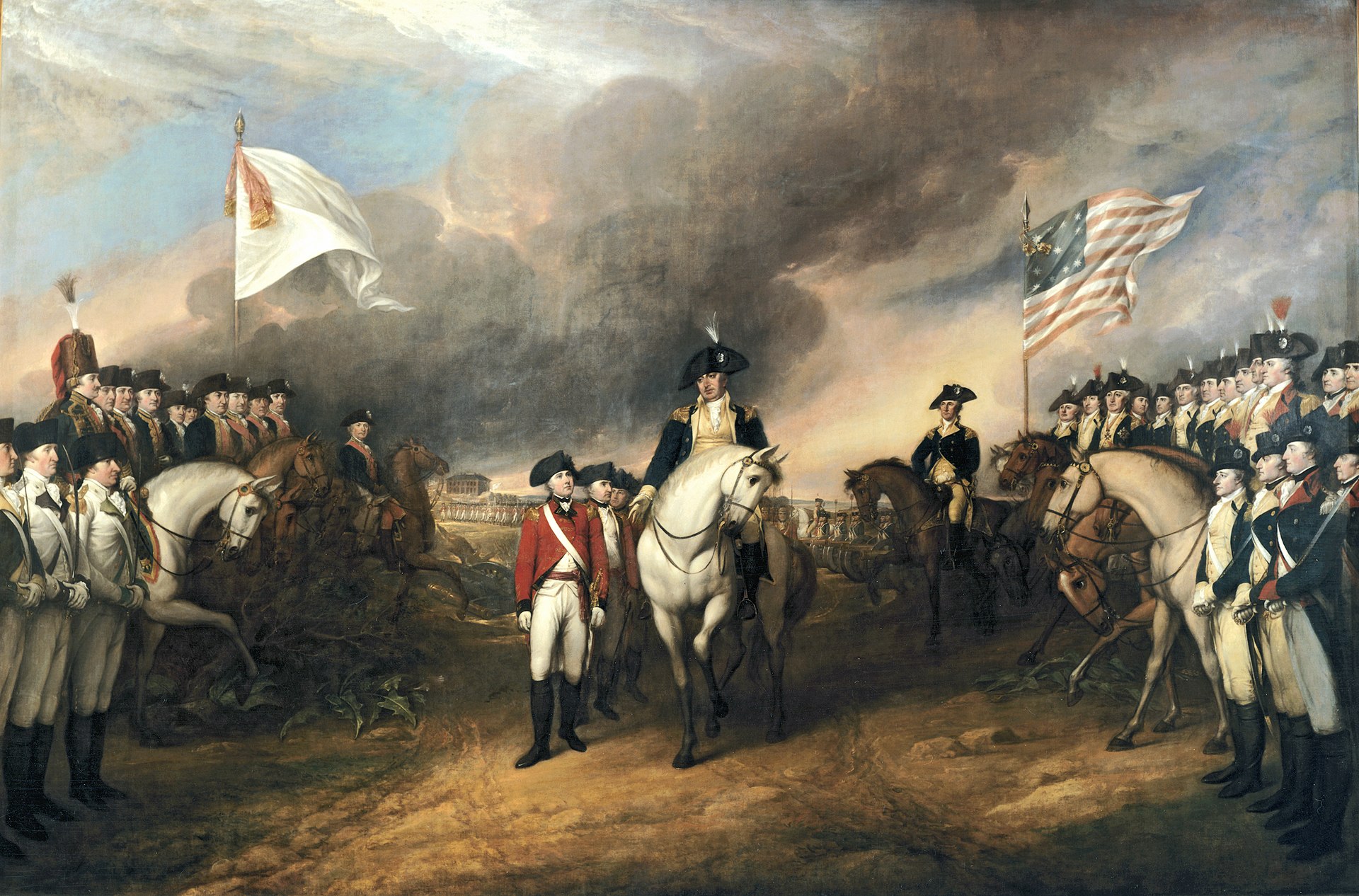
For the American Revolution (1775-1783): Early Christian teaching would have been deeply conflicted. On one hand, the colonists could argue they met some conditions for resistance (prolonged violation of rights, exhaustion of peaceful means). On the other hand, the revolution was against a legitimate Christian monarch (George III), which early fathers would have seen as problematic. The American Revolution’s emphasis on “no taxation without representation” might not have qualified as the “certain, grave violation of fundamental rights” required by traditional teaching.
For the French Revolution (1789-1799): Early Christian teaching would have been almost certainly opposed. The French Revolution was explicitly anti-clerical, attacked the Catholic Church, and sought to replace Christianity with secular ideology. The documents show that early Christians were taught to endure persecution rather than rebel . The violence against the Church and overthrow of all religious institutions would have been seen as fundamentally incompatible with Christian teaching.
The Key Distinction: Religious vs. Secular Authority
The documents reveal an important nuance: resistance to religious persecution was different from political rebellion. When Roman authorities persecuted Christians for their faith, the response was martyrdom, not revolution. However, when Christian rulers later persecuted heretics, this was justified as defending truth . This double standard suggests that early Christian teaching was more about maintaining religious purity than establishing political principles of liberty.
What’s Missing
The documents I examined don’t contain direct commentary on the 18th-century revolutions, as they predate them. The closest we get is the Risale-i Nur’s 20th-century analysis of the French Revolution’s impact on Christianity . There’s also no discussion of the “right of revolution” as articulated by Enlightenment thinkers like Locke—early Christian thought operated within a very different framework where political authority was seen as divinely ordained rather than socially contracted.
Dig Deeper:
- “Early Christians prayed for pagan emperors but later justified resistance to heretical rulers – how did this theological shift occur?”
- “The documents show Christians were accused of being revolutionaries – what specific political changes did early Christians actually advocate for?”
- “Aquinas discusses when obedience is not required – how did later Catholic theologians apply these principles to modern revolutions?”